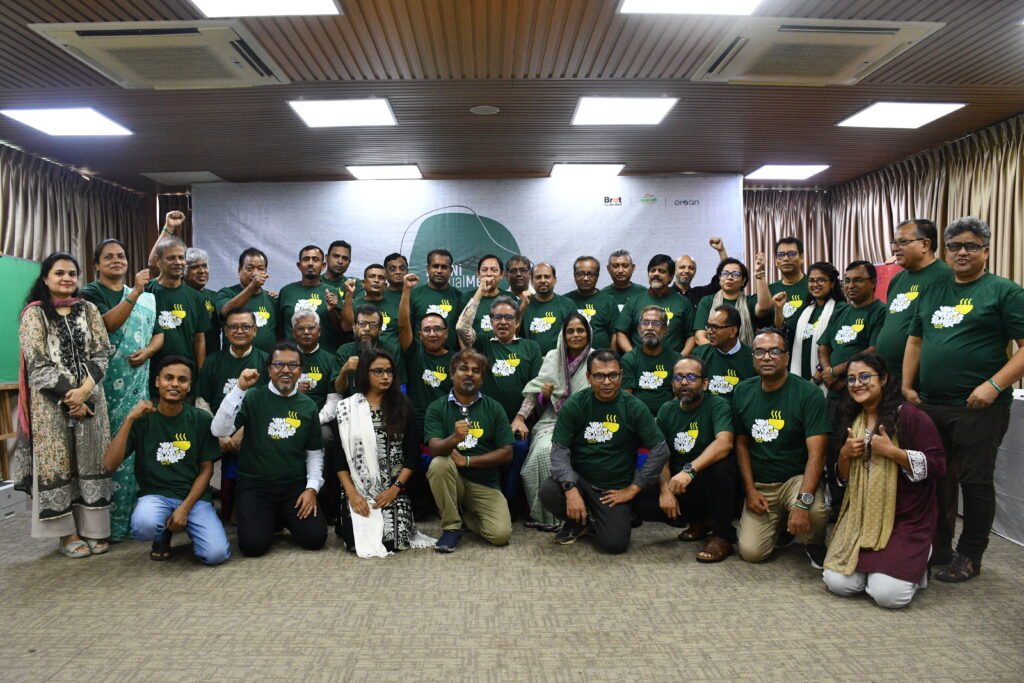
KHANI Annual meet 2026
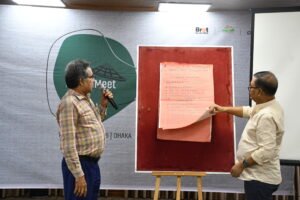
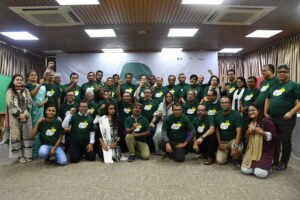
A two-day “KHANI Annual Meet 2026” was held in Dhaka on 10 and 11 August, bringing together civil society organizations, rights activists, researchers, experts and international development partners to advance the right to food and nutrition in Bangladesh. The Annual Planning Meeting placed particular emphasis on the need for a comprehensive and enforceable Right to Food and Nutrition Act and on developing a coordinated civil society action plan to advance this agenda.
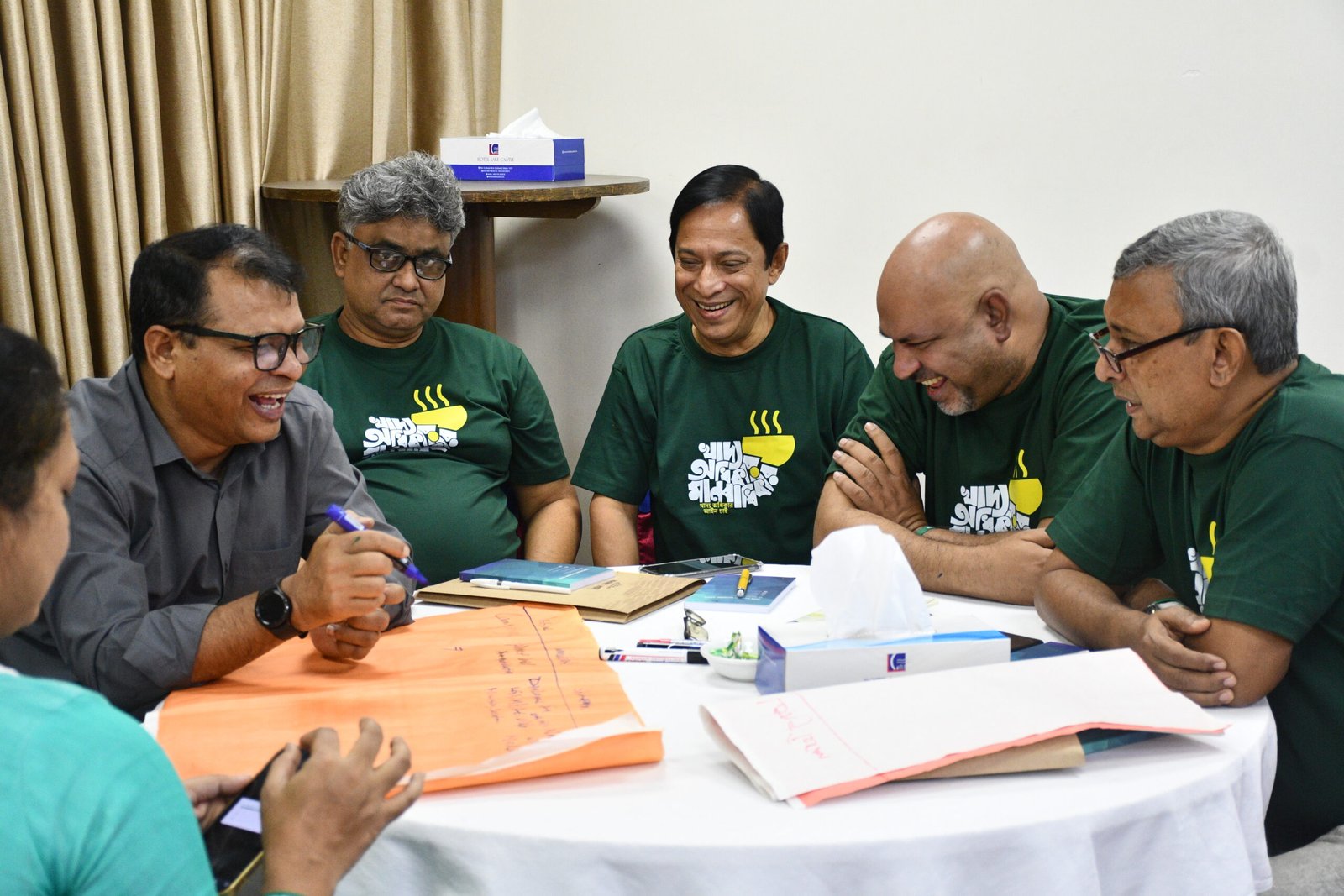
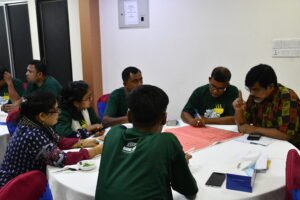
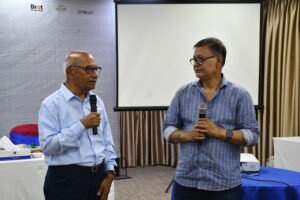
The Annual Planning Meeting was chaired by Dr. Zainul Abedin, President of KHANI Bangladesh. More than 50 KHANI member organizations participated, along with representatives from national and international organizations and institutions working on food systems, agriculture, human rights, social protection, climate justice and sustainable development.
Discussions focused on the growing challenges within Bangladesh’s food system, including rising food prices and inflation, increasing agricultural production costs, inadequate farmgate prices, unequal access to land and productive resources, lack of recognition of women farmers, gaps in social protection, labour rights, food safety, market governance and the increasing impacts of climate change.
Participants stressed that access to adequate, safe, nutritious and culturally appropriate food must be treated as a human right rather than solely as a matter of welfare, food production or market supply. They highlighted the responsibility of the State as the primary duty-bearer to respect, protect and fulfil the right to food and nutrition, while ensuring accountability, participation, transparency and non-discrimination in relevant laws, policies and programmes.
Speakers noted that rising food prices, high production costs, inadequate returns for producers, unequal access to land and agricultural inputs, concentration of market power and climate-induced losses are placing increasing pressure on both food producers and consumers. Women farmers, small and marginal farmers, tenant farmers, agricultural workers, low-income households and climate-vulnerable communities face disproportionate impacts.
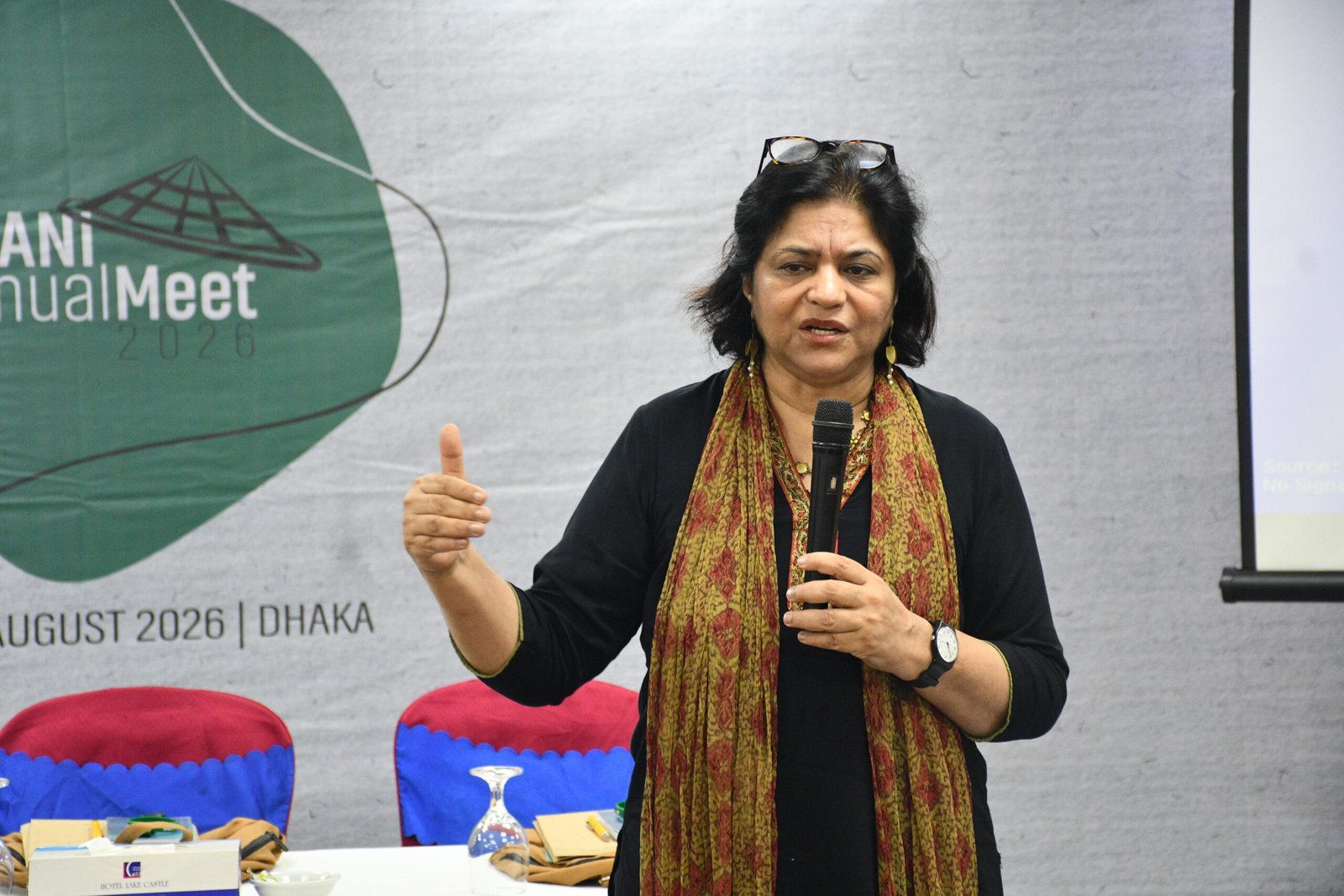
International participants included Sabine Pabst, Asia Coordinator of FIAN International, and Ranja Sengupta, Senior Researcher at Third World Network. Their participation contributed international human rights, food sovereignty and trade perspectives to the discussions.
The Annual Planning Meeting was also attended by Supreme Court lawyer Sara Hossain, agricultural economist and former Vice-Chancellor of Bangladesh Agricultural University Professor Emeritus Dr. Md. Abdus Sattar Mandal, along with other experts, researchers and representatives of KHANI member organizations.
The first day examined the constitutional, legal and international human rights foundations of the right to food and nutrition. Discussions explored State obligations and accountability, agricultural and land reform, farmers’ rights, access to productive resources, recognition of women and marginalized farmers, a just transition in agriculture and the implications of the World Trade Organization’s Agreement on Agriculture for domestic food systems and farmers.
Participants emphasized that a rights-based food law should establish clear entitlements for rights-holders and define the responsibilities of relevant government institutions. Such a law should also provide mechanisms for participation, grievance redress, monitoring and accountability, particularly for communities facing food insecurity, poverty, displacement and climate vulnerability.
The Annual Planning Meeting also reviewed KHANI Bangladesh’s activities, advocacy campaigns and ongoing initiatives over the past year, identifying opportunities to strengthen collective action and engagement with policymakers.
On the second day, participants discussed agroecology and environmentally sustainable agricultural practices as important pathways towards a more resilient and equitable food system. They reviewed gaps in agricultural policies and implementation, identified KHANI’s future advocacy priorities and worked on a framework for strengthening the network’s collective influence.
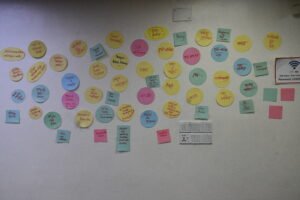
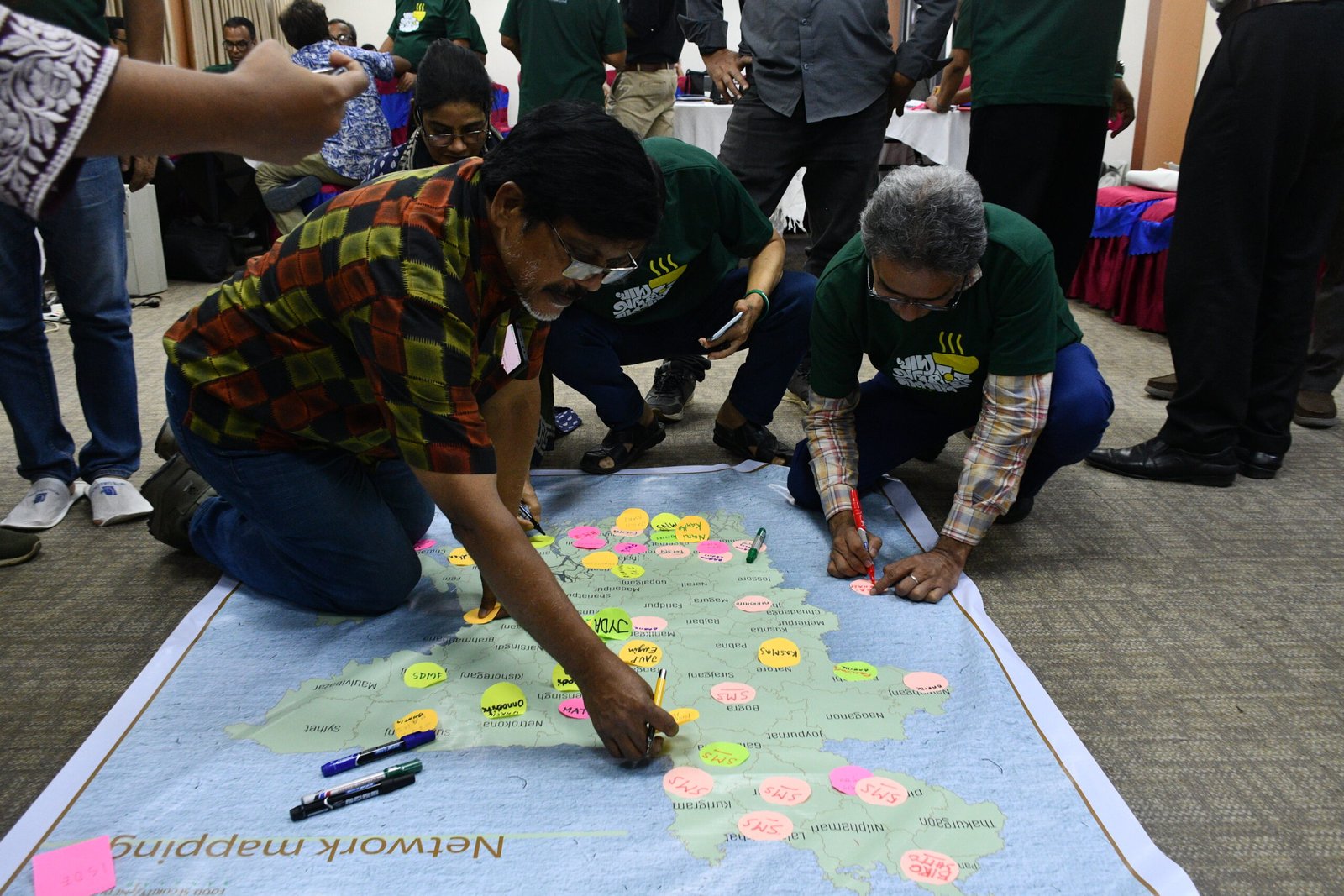
The Annual Planning Meeting also mapped the capacities, expertise and geographical presence of member organizations, as well as opportunities for research, evidence generation, media engagement, community mobilization and engagement with Parliament, government ministries and other policymaking institutions.
KHANI Bangladesh emphasized that meaningful change requires the active leadership and ownership of its members, shared responsibility, regular coordination and transparent decision-making. Over the next three years, the network intends to bring its policy advocacy, parliamentary engagement, public campaigns, research, media work, learning and joint initiatives under a coordinated strategic framework.
The Annual Planning Meeting initiated the development of a 36-month advocacy and public engagement plan with clearly defined priorities, responsibilities and timelines. Key areas include advancing a Right to Food and Nutrition Act, strengthening accountability of duty-bearers, promoting recognition and protection of farmers’ rights, improving social protection, addressing inequalities within the food system and amplifying the voices of women, small-scale producers, workers and marginalized communities in policy processes.
The Annual Planning Meeting also agreed to strengthen evidence-based advocacy by identifying priority right to food and nutrition issues, mapping member capacities, identifying key institutions and policymakers, and developing a common framework for influencing policy and public discourse.
KHANI Bangladesh is a national network of civil society organizations working to advance the right to food and nutrition, farmers’ rights, social protection, safe food, climate justice and a fair and equitable food system. Through collective advocacy, research, public engagement and policy dialogue, KHANI seeks to ensure that all people, particularly those facing discrimination and exclusion, can claim their food and nutrition rights and hold responsible institutions accountable.