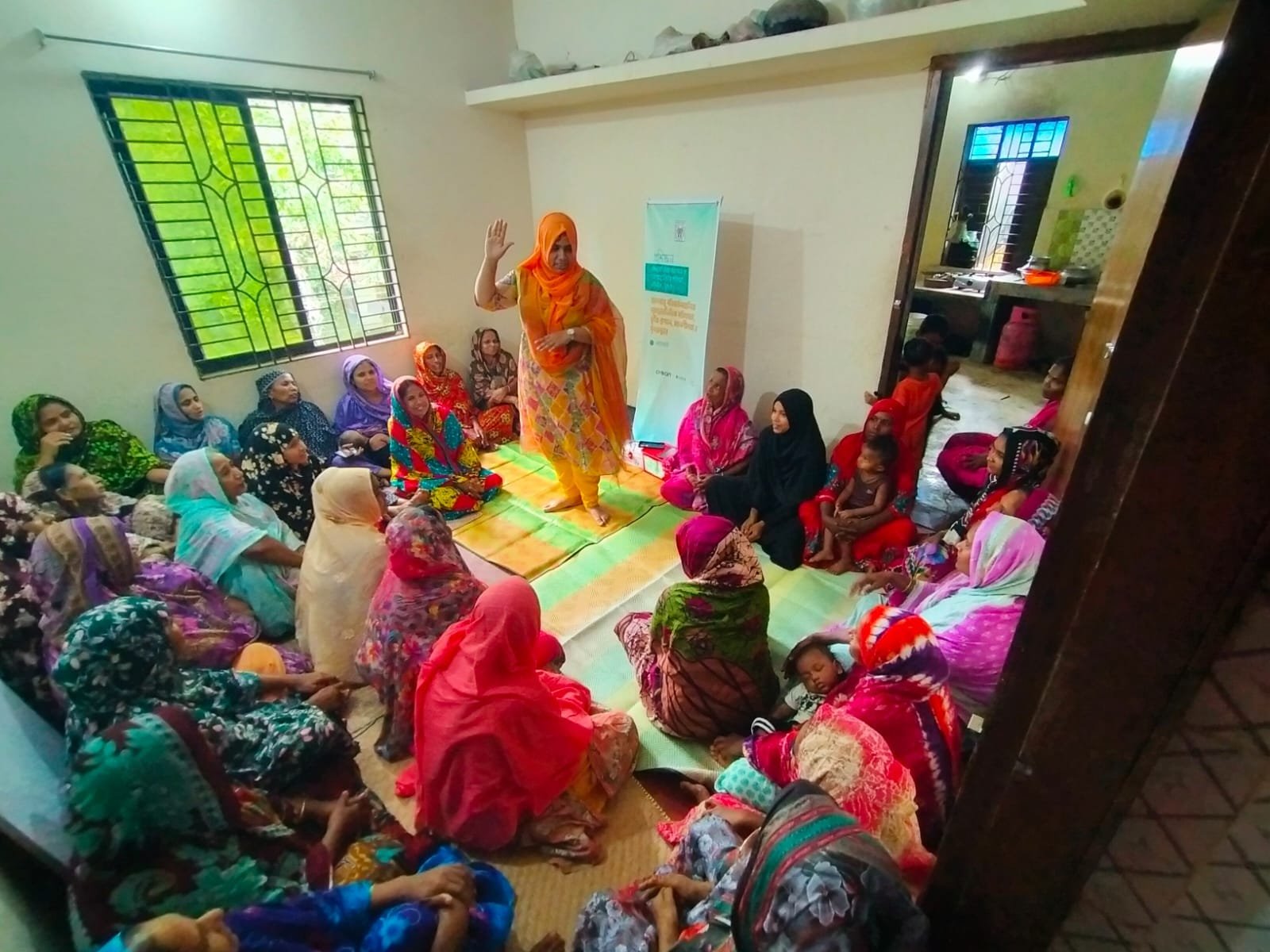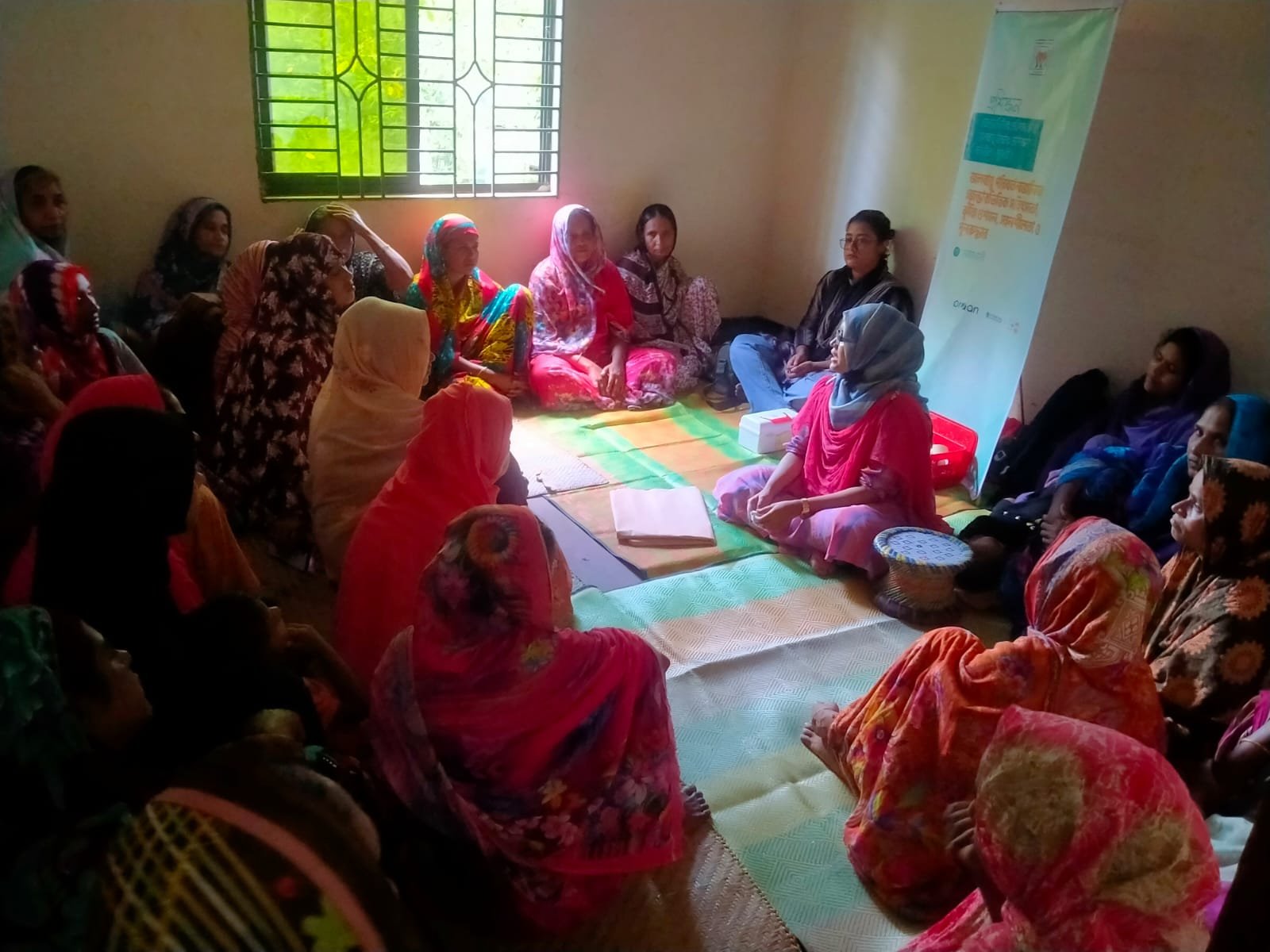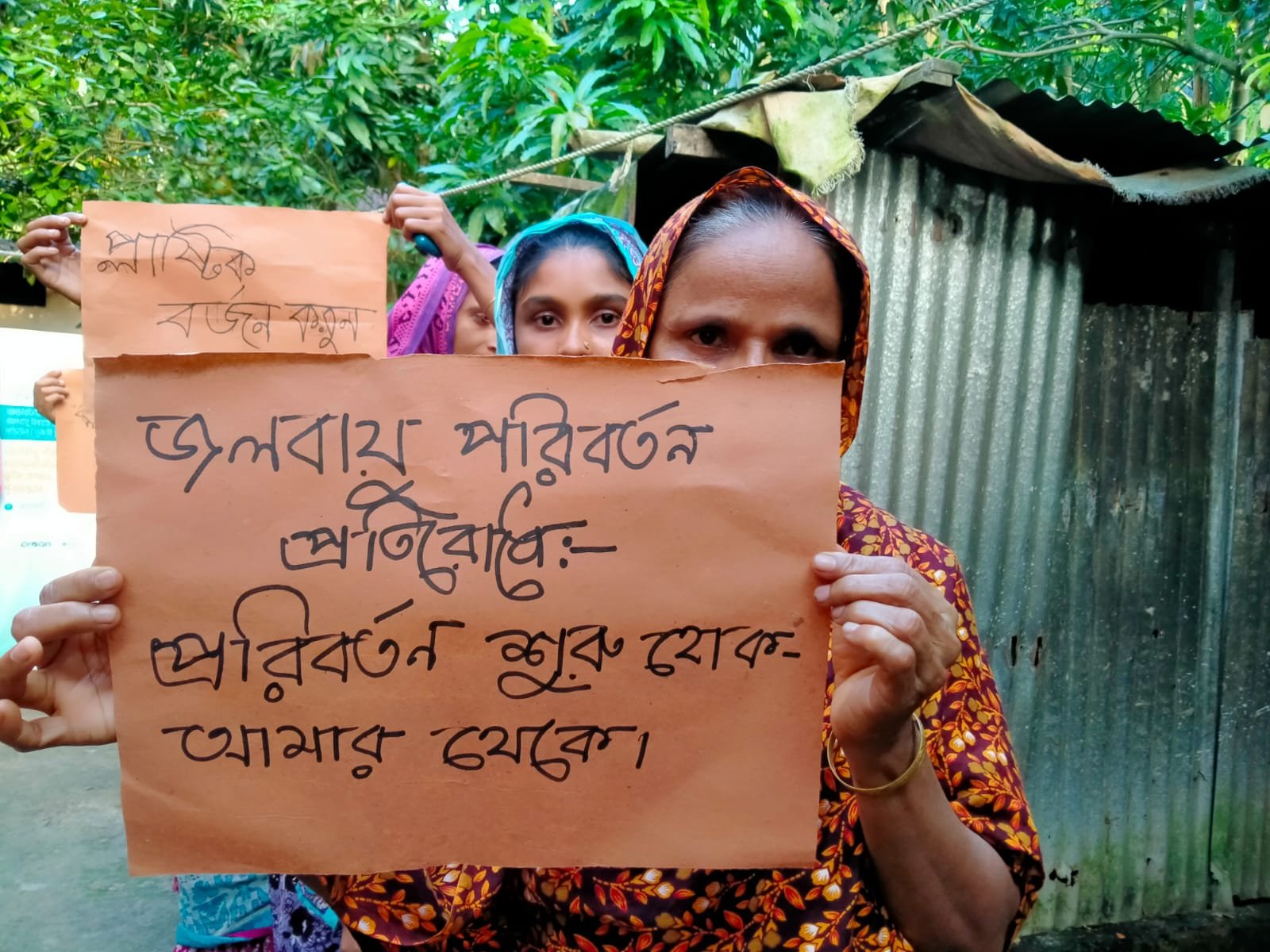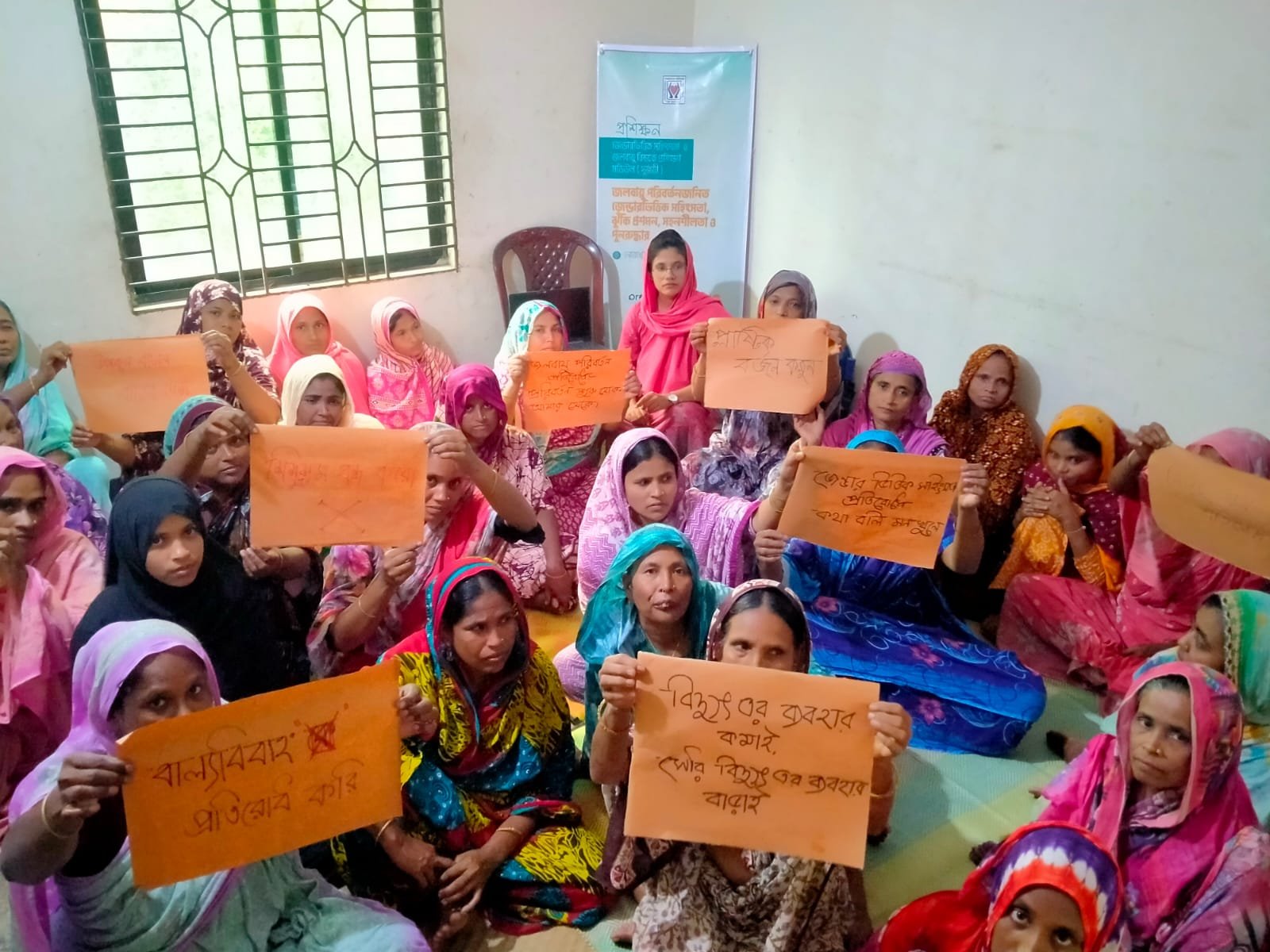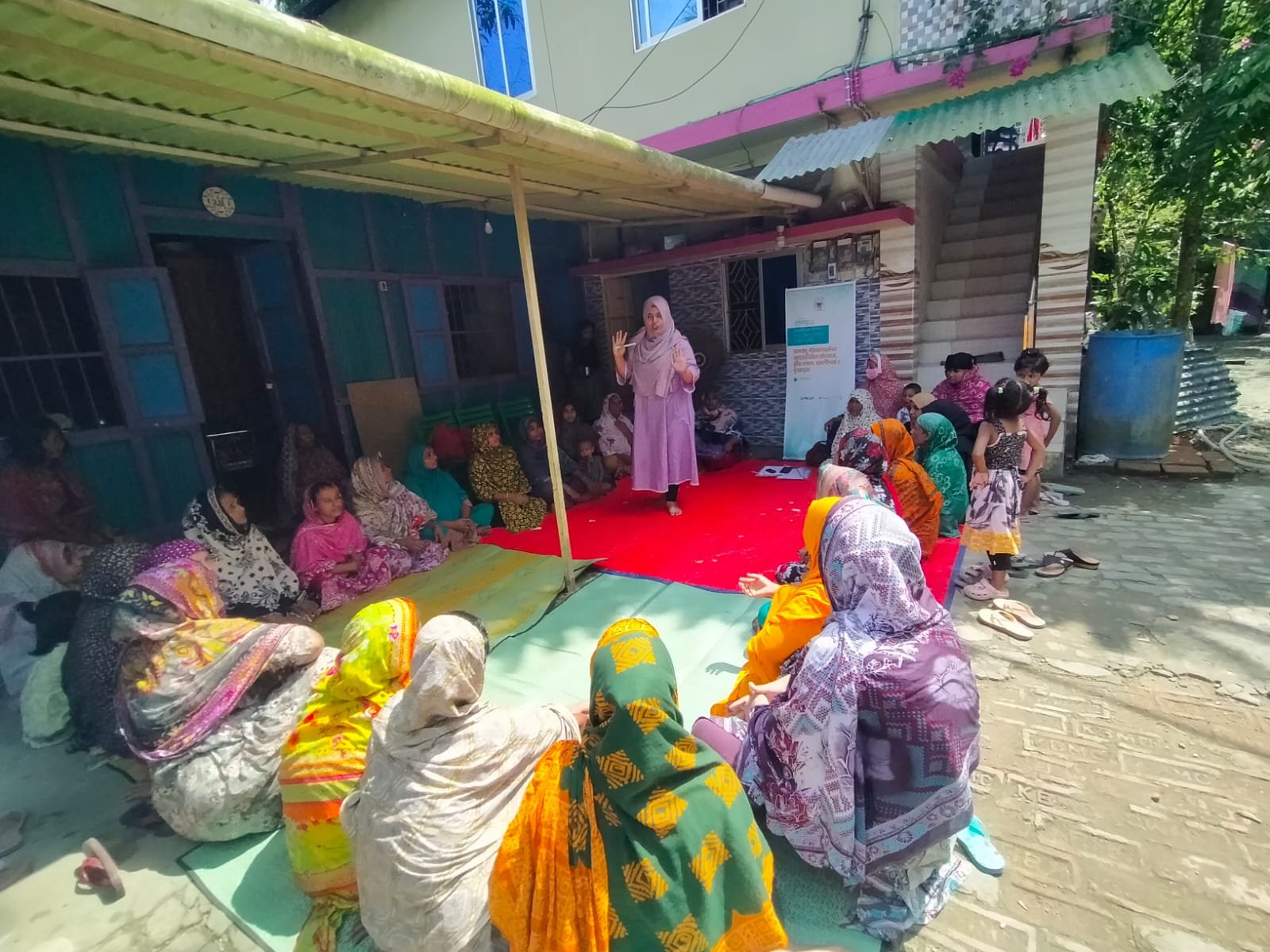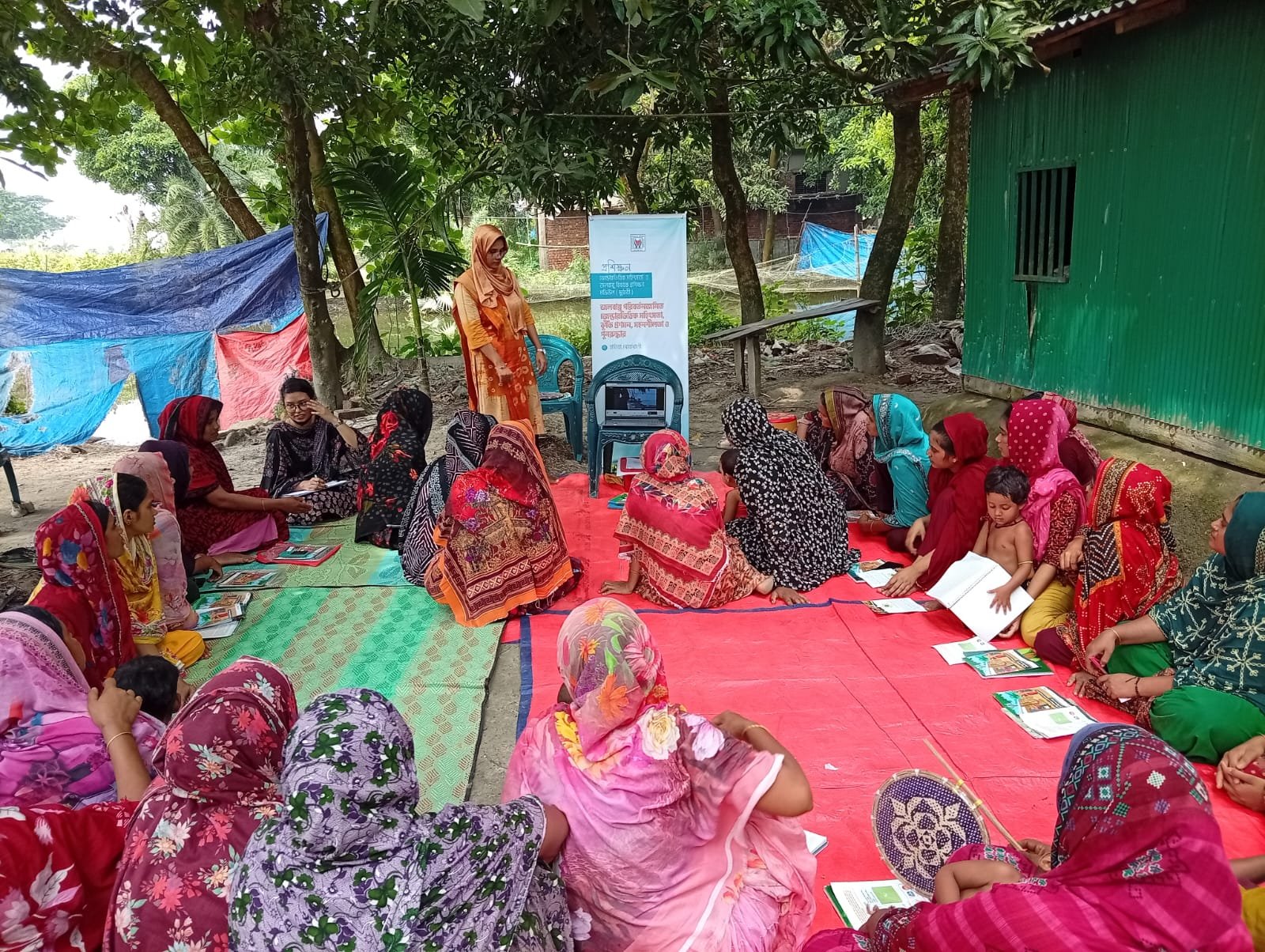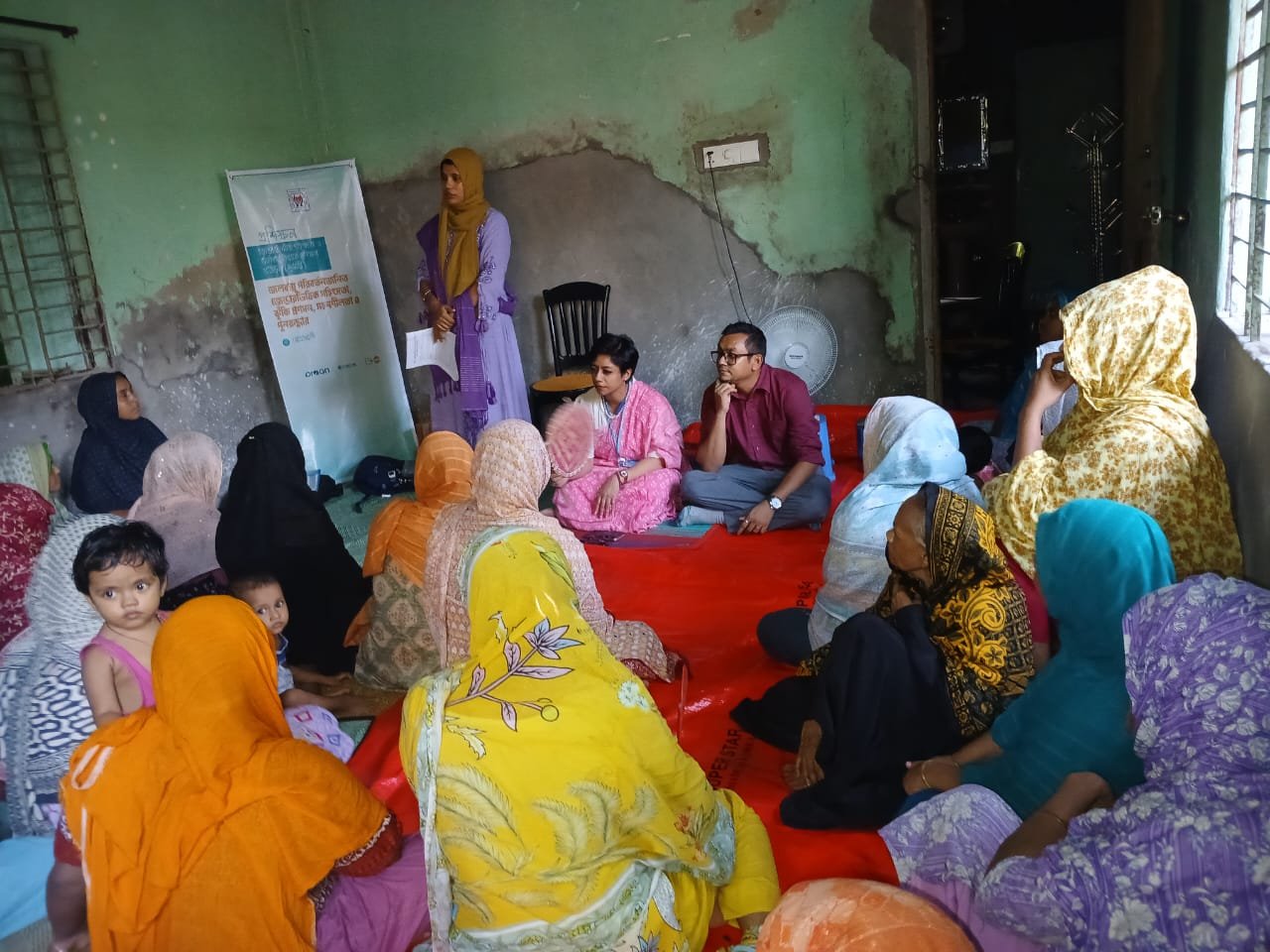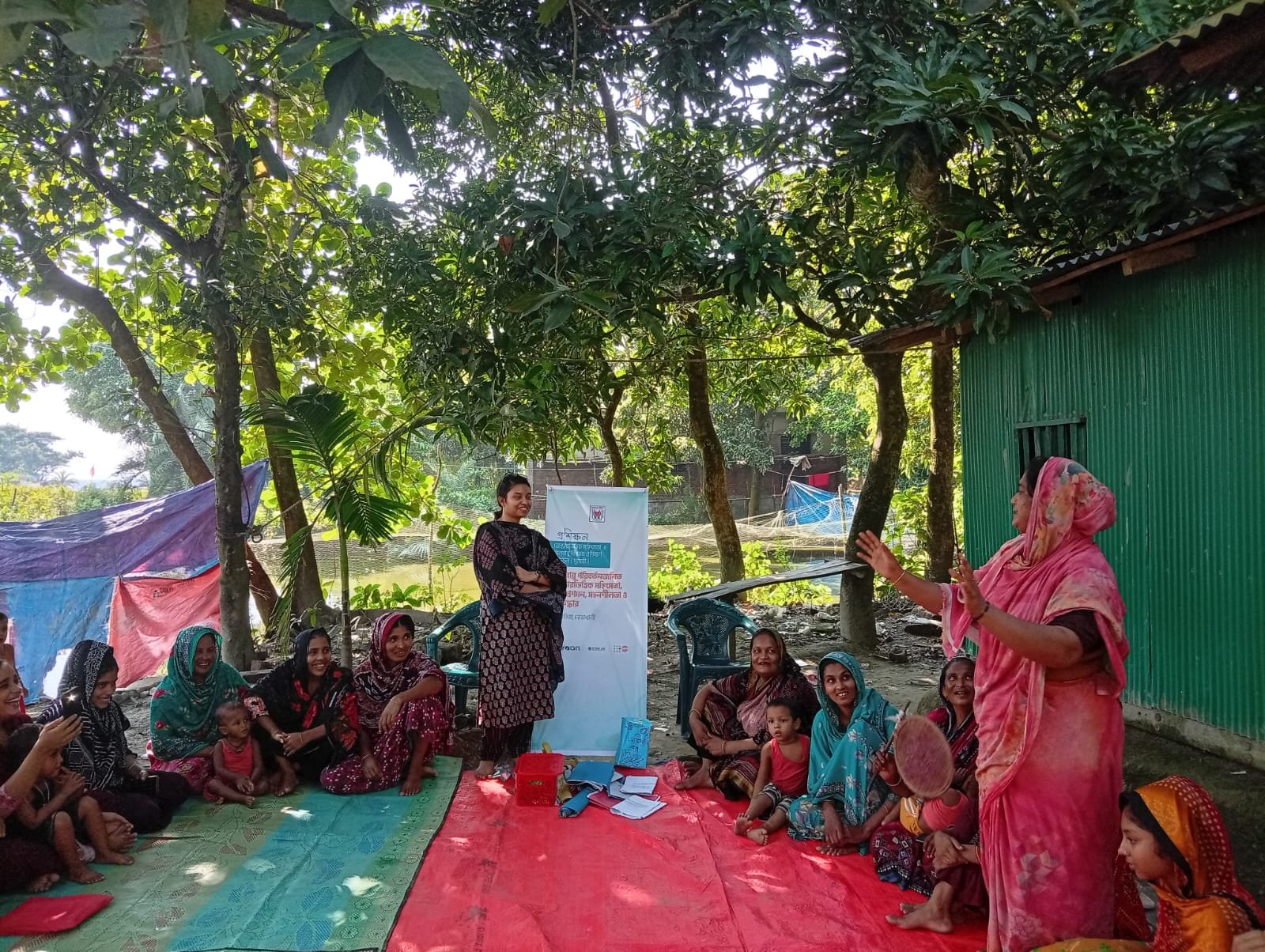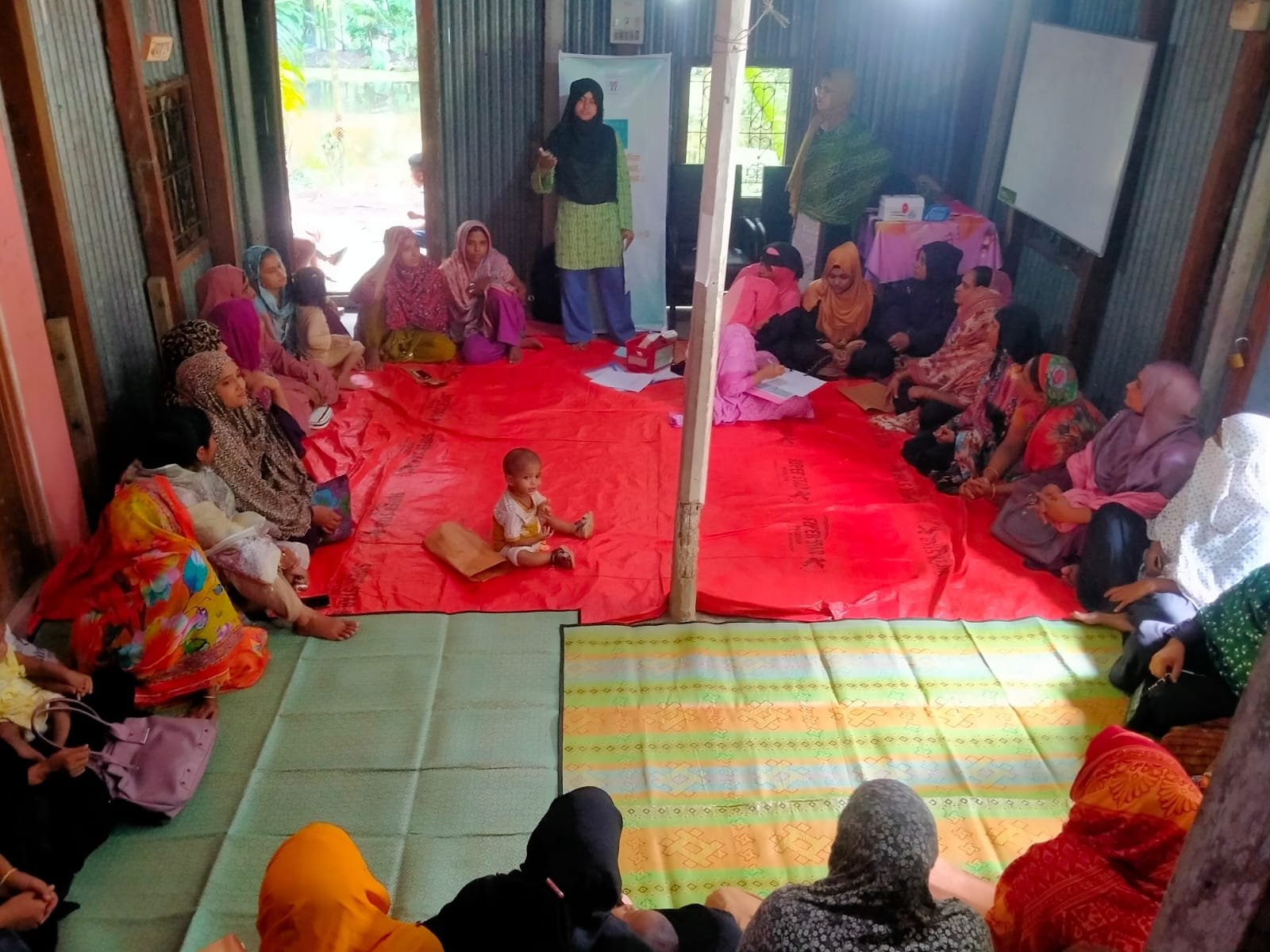
Women living in climate-vulnerable communities of Noakhali are strengthening their knowledge and preparedness to respond to disasters, protect their safety and dignity, and address the risks of gender-based violence that can increase during climate-related emergencies.
Coastal communities in Noakhali regularly experience cyclones, tidal surges, floods, river erosion, salinity and extreme heat. While these hazards affect entire communities, women and adolescent girls can face additional risks related to safety, privacy, reproductive health, menstrual hygiene, access to services, mental wellbeing and gender-based violence.
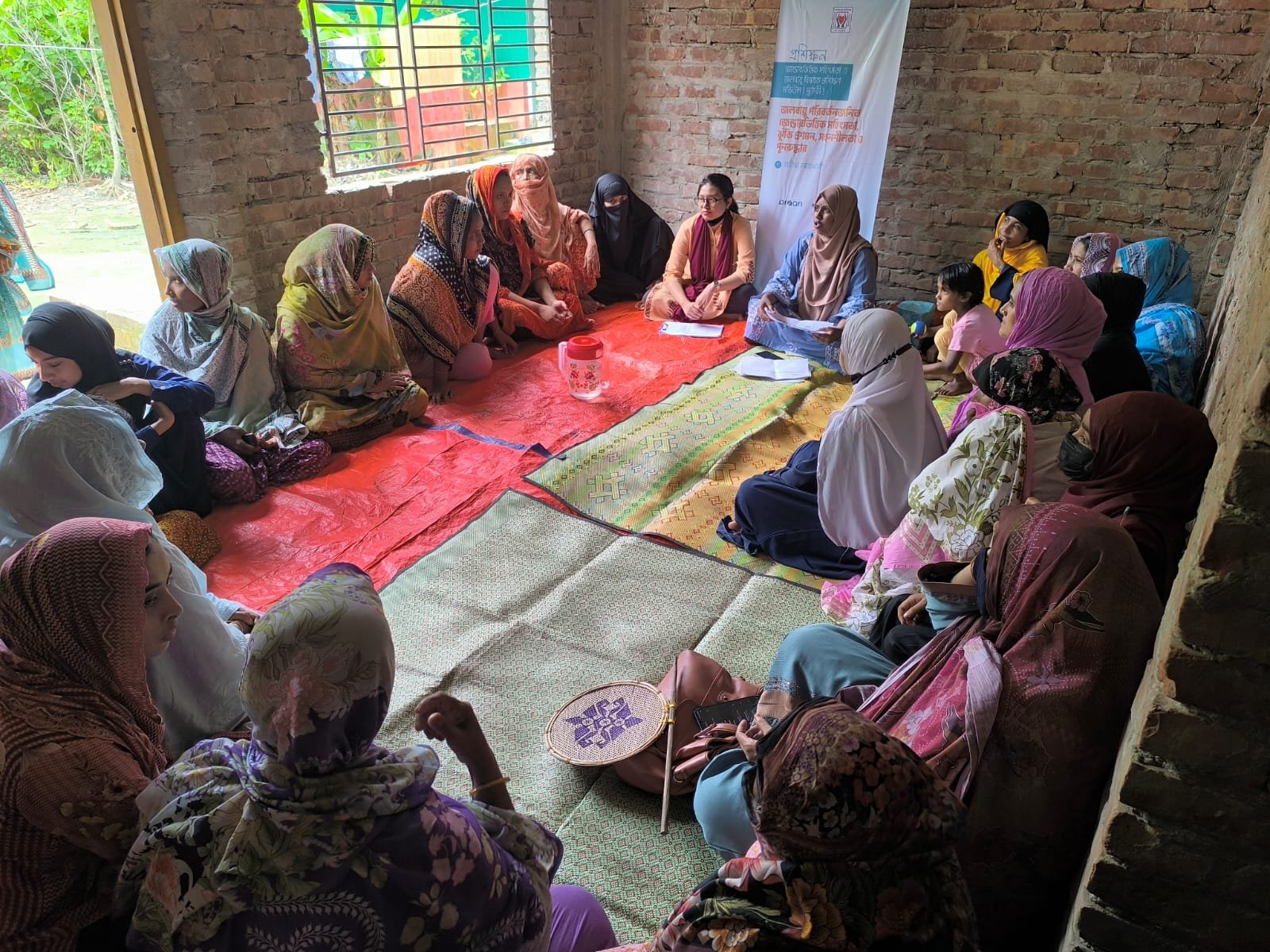
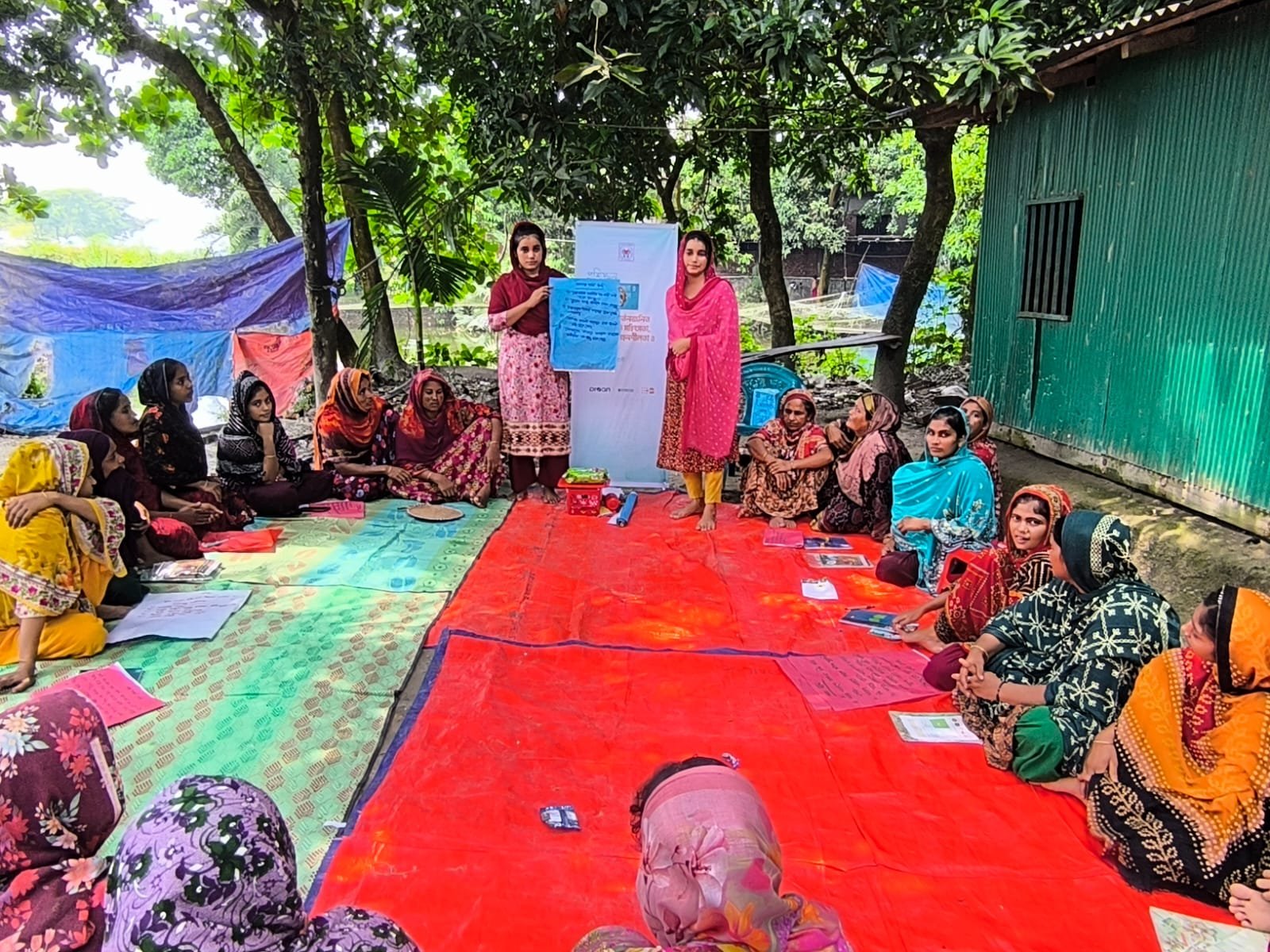
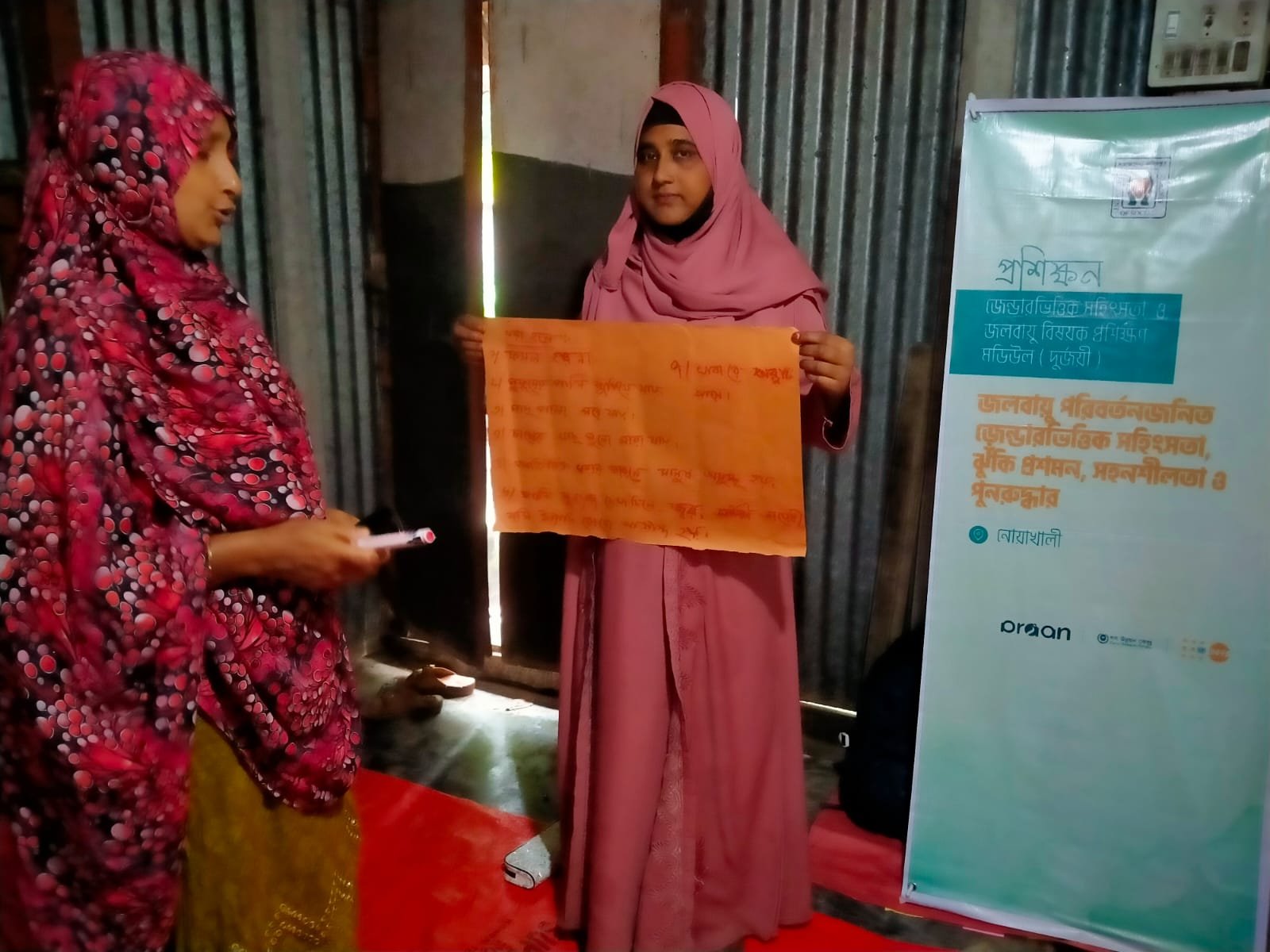
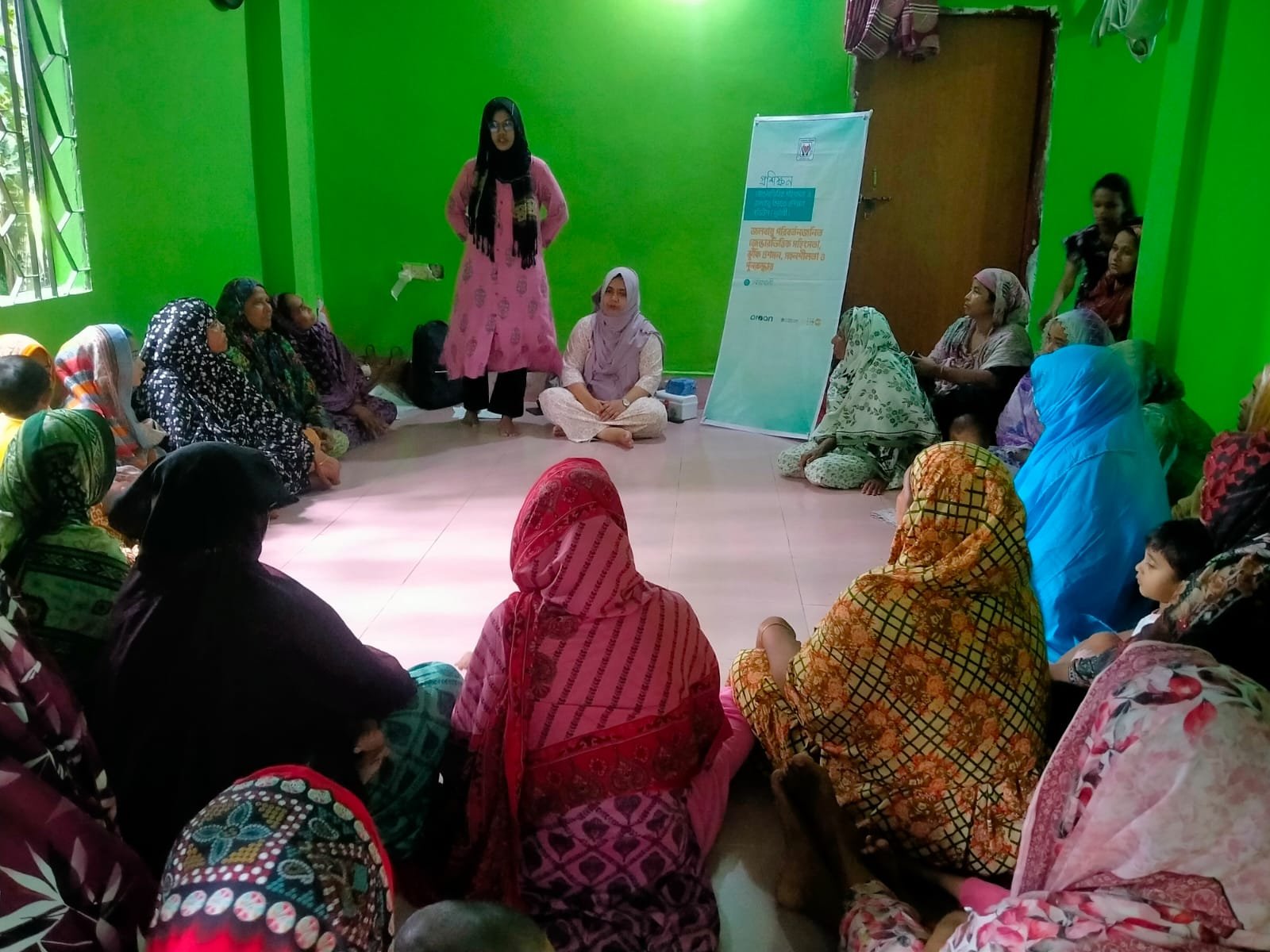
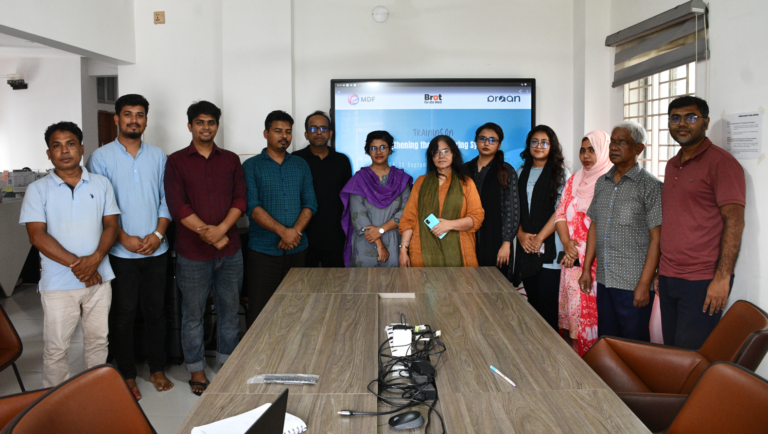
To address these interconnected challenges, Participatory Research & Action Network -PRAAN is conducting a series of Training of Trainers (ToT) sessions for women in Noakhali Sadar, Hatiya and Subarnachar, with support from the United Nations Population Fund (UNFPA).
The programme began on 24 August 2026 and aims to reach 450 women through 15 day-long training sessions, with 30 participants in each session. The trainings are being organised through Rural Mother Centres across the three upazilas.
Linking Climate Change, Protection and Gender Equality
Climate-related disasters can deepen existing social and economic vulnerabilities.
Loss of livelihoods, displacement, food insecurity and migration may place additional responsibilities on women and increase risks faced by women and girls. These can include child marriage, interruption of girls’ education, domestic violence, reduced access to essential services and other protection concerns.
The training helps participants understand these connections and explore practical ways to reduce risks before, during and after emergencies.
Sessions cover climate change, disaster preparedness, gender-based violence prevention and response, reproductive health, mental health and psychosocial support, safeguarding, referral pathways and community resilience.
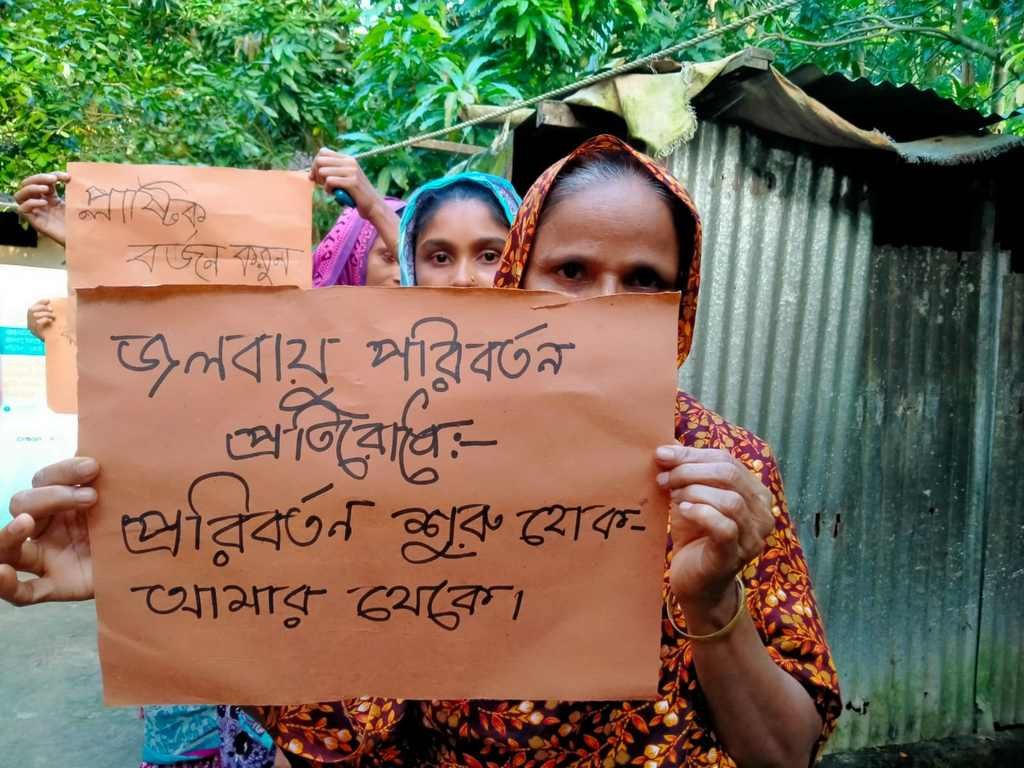
Learning from Local Experience
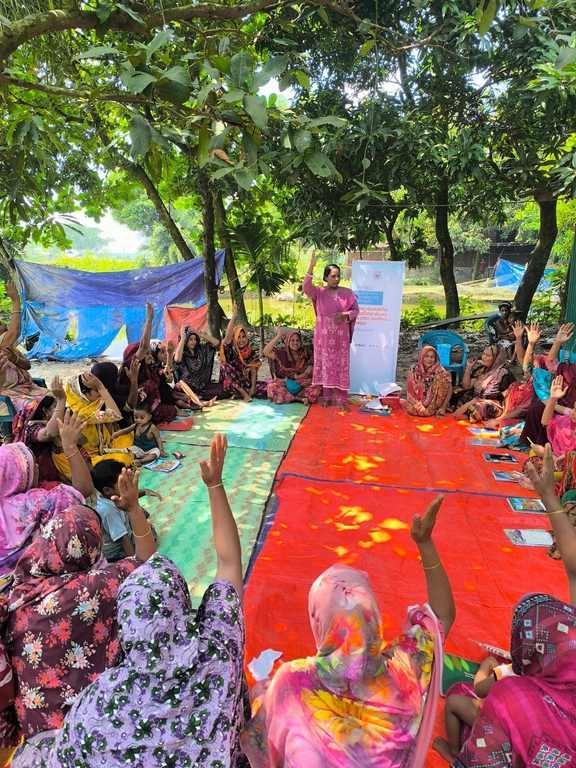
The training follows a participatory approach that places women’s experiences and local realities at the centre of the learning process.
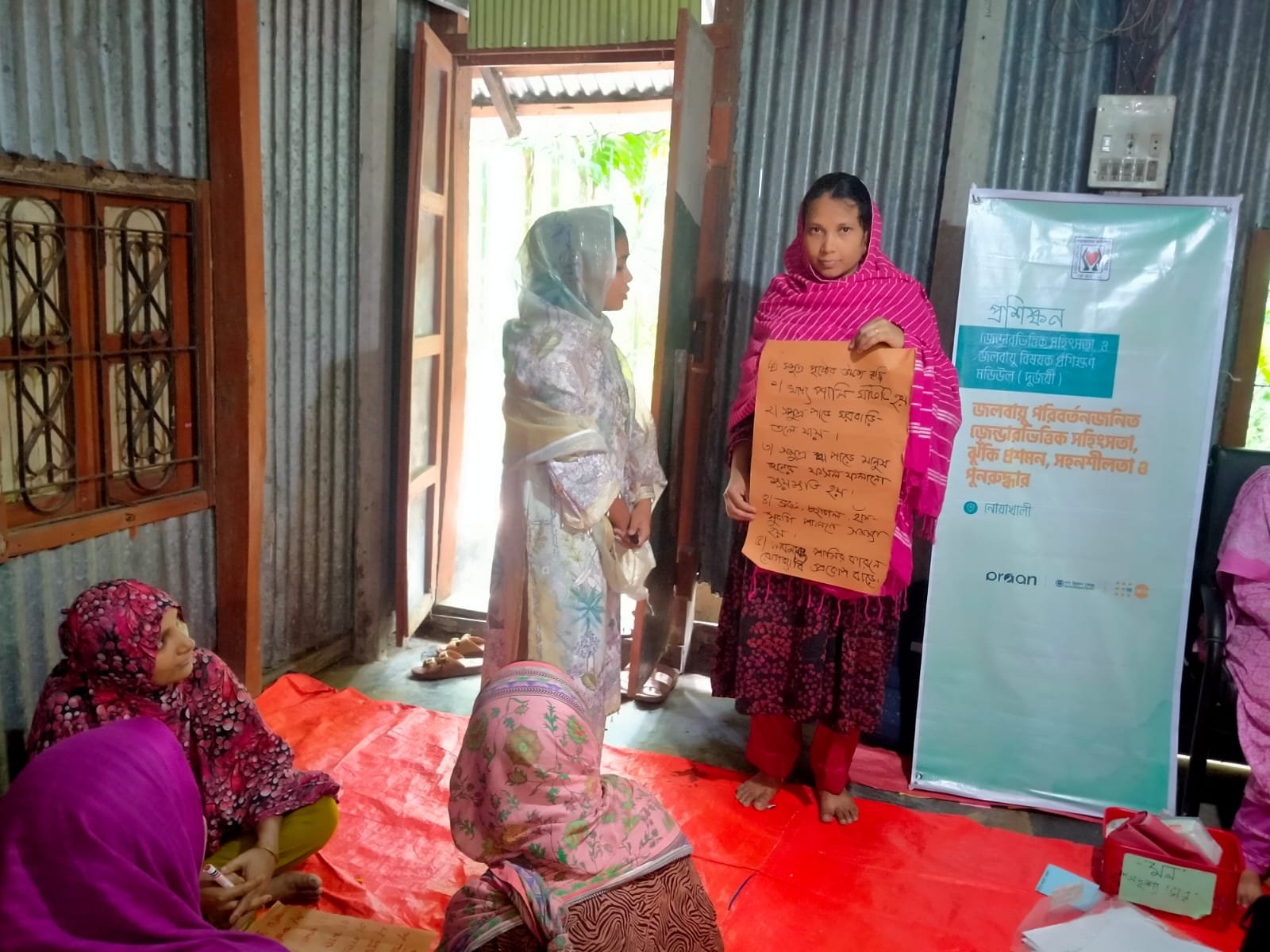
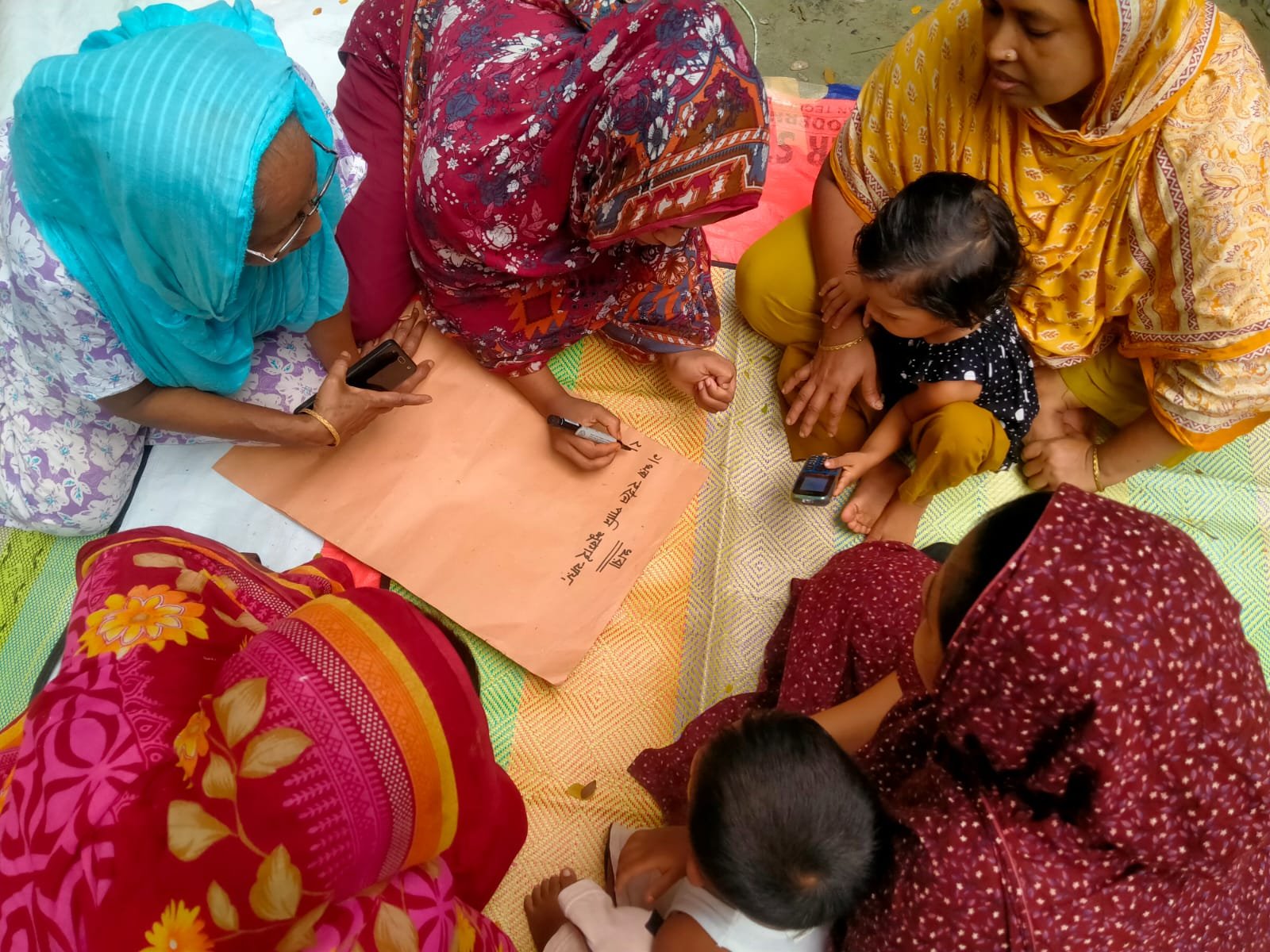
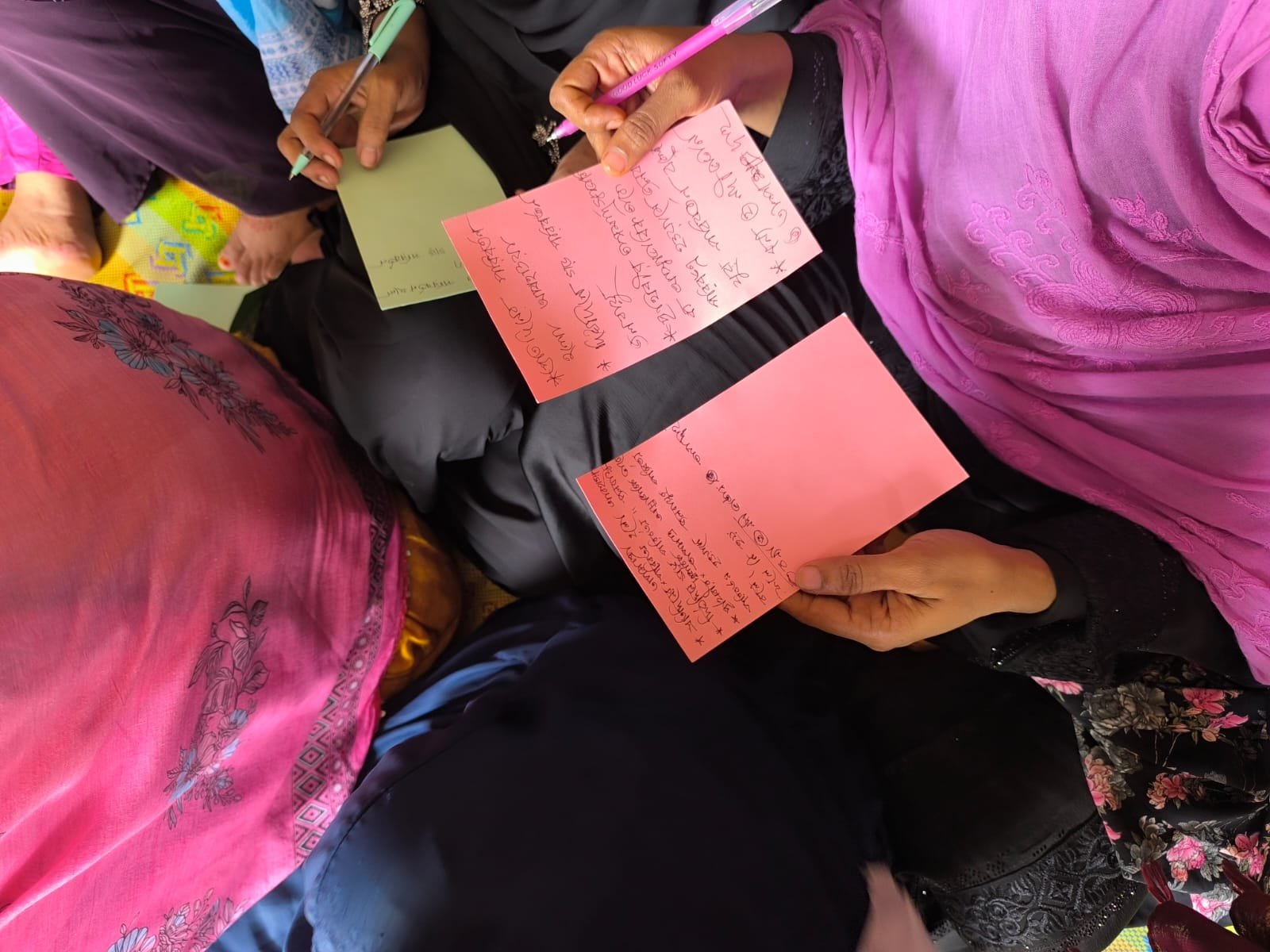
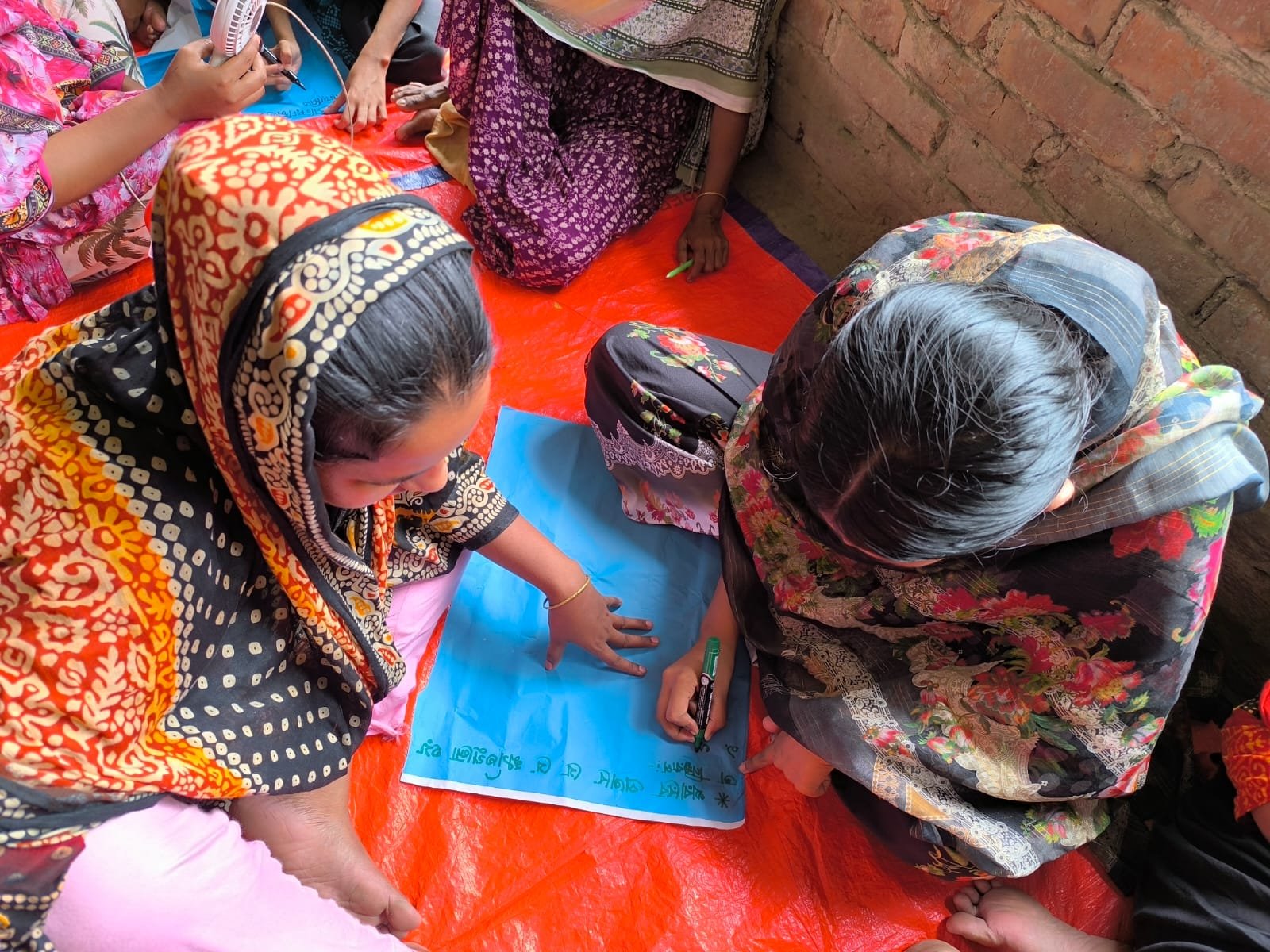
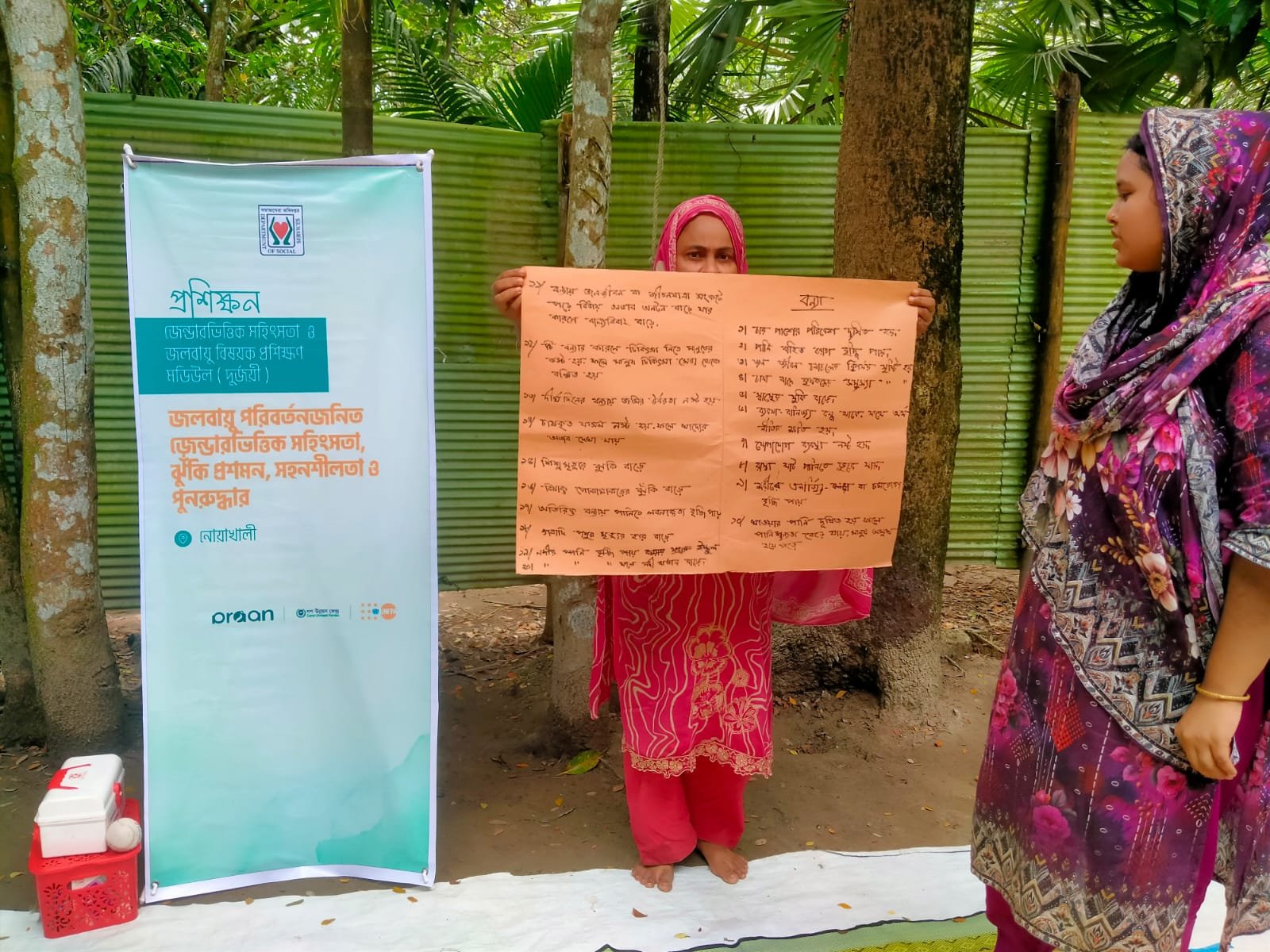
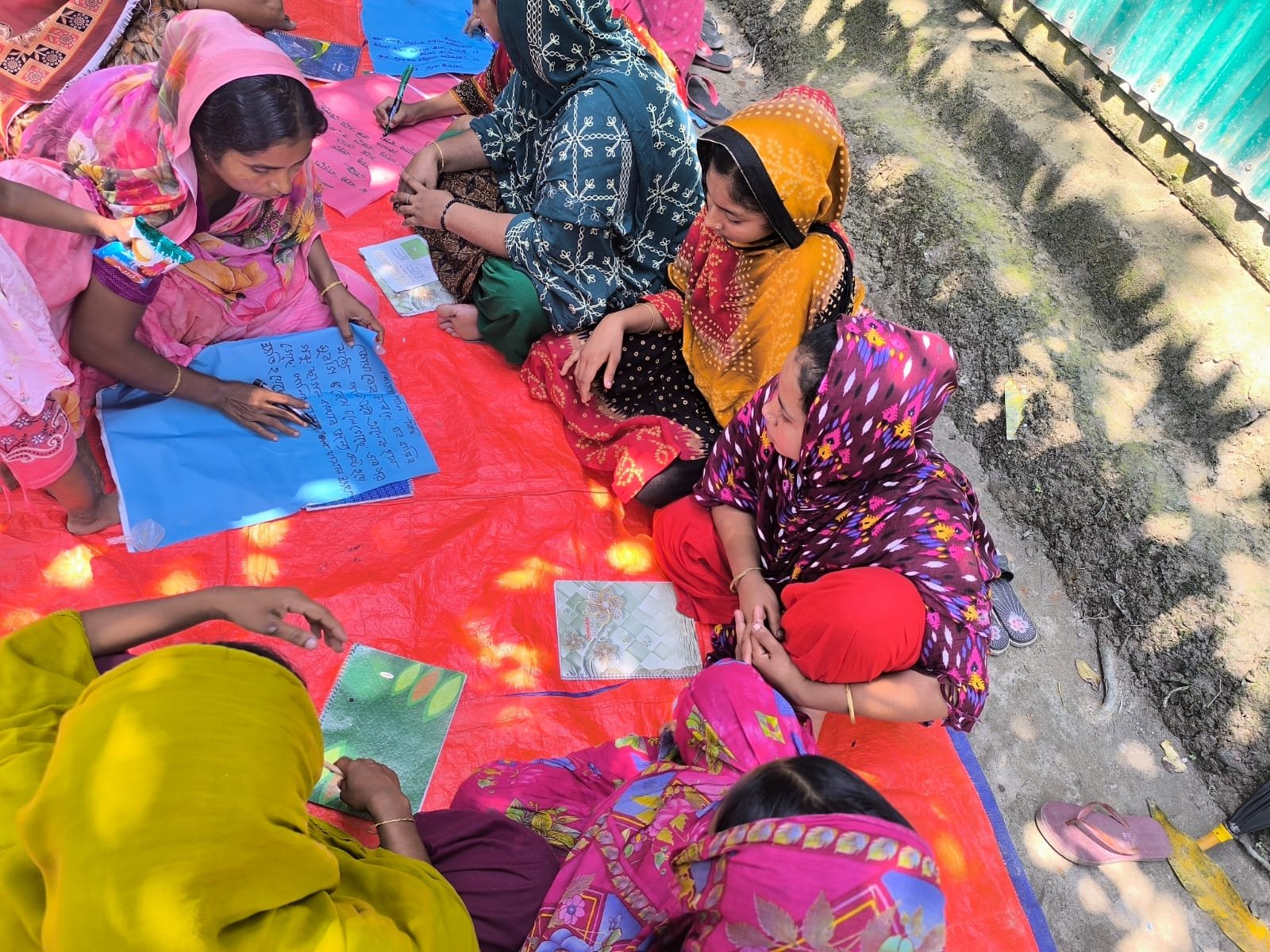
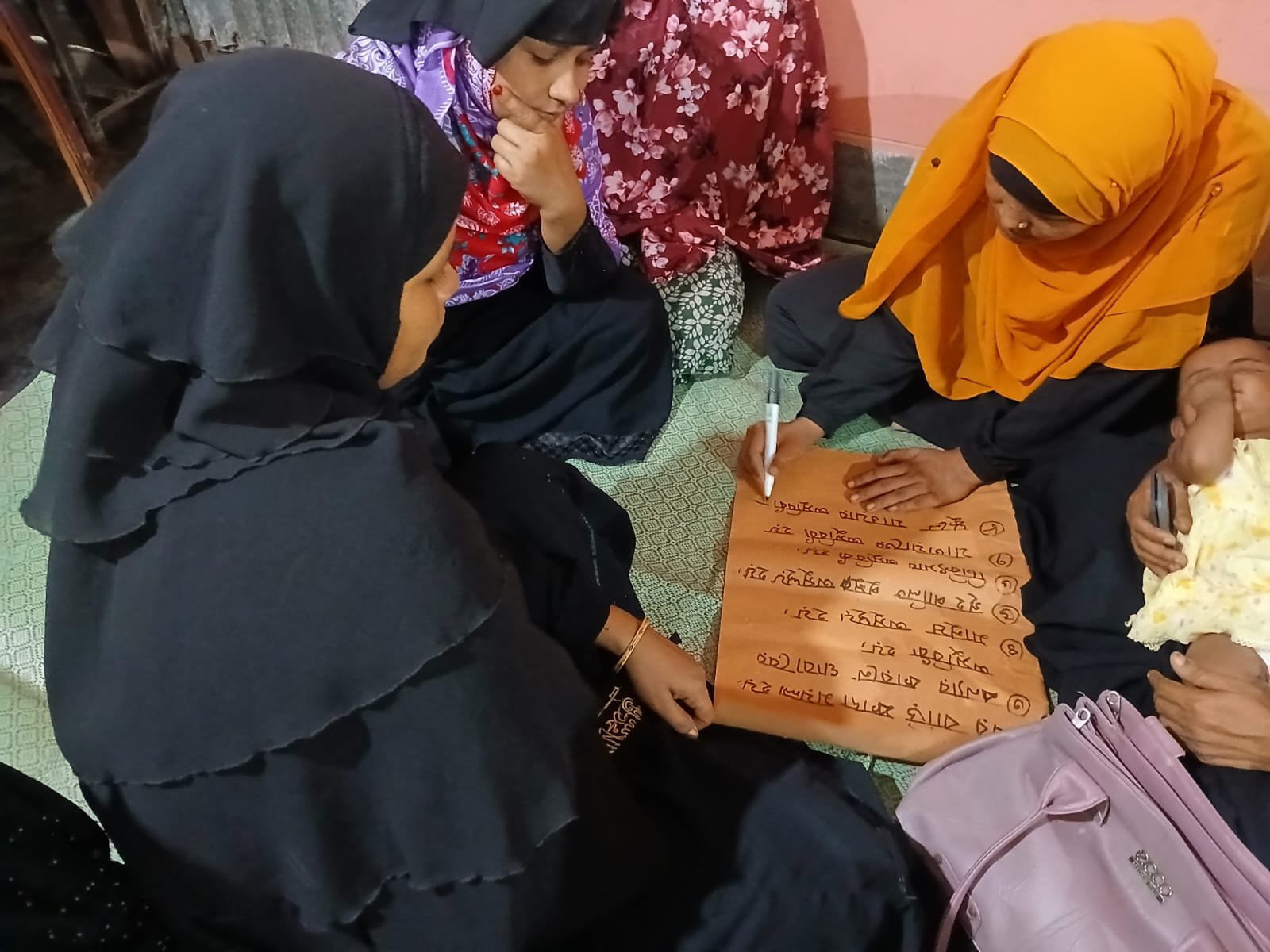
Participants engage in group discussions, case scenarios, role play, video sessions, experience sharing and practical exercises. Through these activities, they identify the risks that women and girls may face in their own communities and discuss how those risks can be reduced.
One of the practical exercises involves community safety mapping. Women identify safe and unsafe locations in their villages, discuss where they can seek support during emergencies and identify people and institutions they can turn to when protection concerns arise.
This approach enables participants to connect the training with situations they may encounter in their everyday lives.
Promoting Safety and Dignity During Disasters
A key focus of the programme is ensuring that disaster preparedness and response take into account the specific needs of women and girls.
Participants discuss privacy and safety in cyclone shelters, access to separate and secure sanitation facilities, menstrual hygiene management, reproductive health services and protection from harassment, abuse and exploitation.
The training also highlights the importance of ensuring that preparedness and response systems are inclusive of older people, persons with disabilities and other marginalised groups.
Participants are introduced to available referral pathways and support services, including health facilities, police, legal assistance, shelters and emergency hotlines.
The central message is that effective disaster response is not only about providing food, water and shelter. It must also protect people’s safety, dignity and rights.
Addressing Health and Psychosocial Wellbeing
Climate-related emergencies can also have significant consequences for women’s physical, reproductive and mental health.
Floods, cyclones and extreme heat can disrupt access to healthcare and create additional challenges for pregnant women, adolescent girls and women requiring reproductive health services.
Loss of homes, livelihoods and assets can also contribute to fear, stress, anxiety and emotional distress.
Through facilitated discussions and practical exercises, participants explore ways to support their own wellbeing and that of other women in their communities, while learning when and where professional support may be needed.
Building Resilience Beyond Emergency Response
The programme recognises that resilience requires more than responding to an immediate disaster.
Participants explore approaches that can help families and communities recover from climate shocks and become better prepared for future risks. These include climate-resilient agriculture, household nutrition gardens, poultry and fish farming, skills development, income-generating opportunities, digital inclusion, safer energy options and rainwater harvesting.
Women also practise developing seasonal resilience plans based on the risks present in their own communities. They identify when different hazards are most likely to occur, what preparations can be made in advance, what actions may be required during an emergency and which institutions can provide support.
These discussions help connect disaster preparedness with women’s economic resilience, access to services and participation in community decision-making.
Strengthening Women’s Leadership at Community Level
The ToT approach is designed to extend the benefits of the training beyond the participants themselves.
Women are encouraged to share their learning with family members, neighbours and other members of their communities. In this way, information on preparedness, protection, health, GBV prevention and available services can reach a wider group of people.
Participants have reported that the discussions on women’s specific needs during emergencies are particularly useful and that the training has increased their confidence to prepare themselves and their families for disasters.
By strengthening women’s knowledge, participation and leadership, PRAAN aims to contribute to community-based disaster preparedness that is more inclusive, gender-responsive and rooted in local realities.
About the Initiative
The Training of Trainers programme on climate change-related gender-based violence, risk reduction, resilience and recovery is being implemented by Participatory Research & Action Network -PRAAN with support from the United Nations Population Fund (UNFPA) in Noakhali Sadar, Hatiya and Subarnachar.
Through the initiative, PRAAN is working with women at community level to strengthen preparedness, protection, resilience and local leadership so that climate-related emergencies can be addressed in ways that uphold the safety, dignity and rights of everyone.